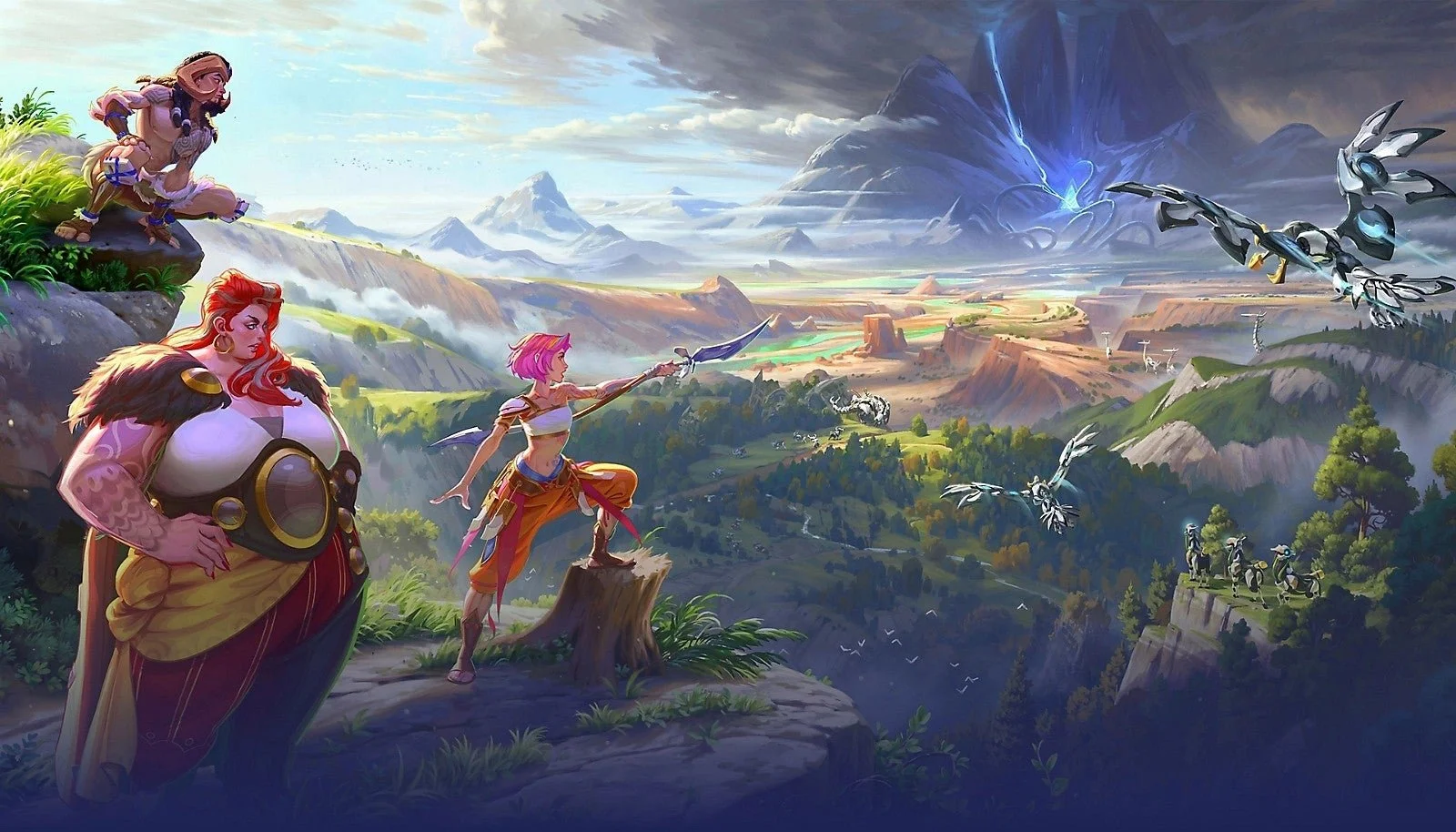
HORIZON:
HUNTERS GATHERING
Role: Design Intern
Timeline: 09/2025 - 06/2026 (10 months)
KEY CONTRIBUTIONS
Contributed to world content design on a AAA project, working within a multidisciplinary team
Developed a reusable gameplay system to streamline content creation for other designers
Enhanced existing systems to support increased content scalability and cleaner implementation workflows
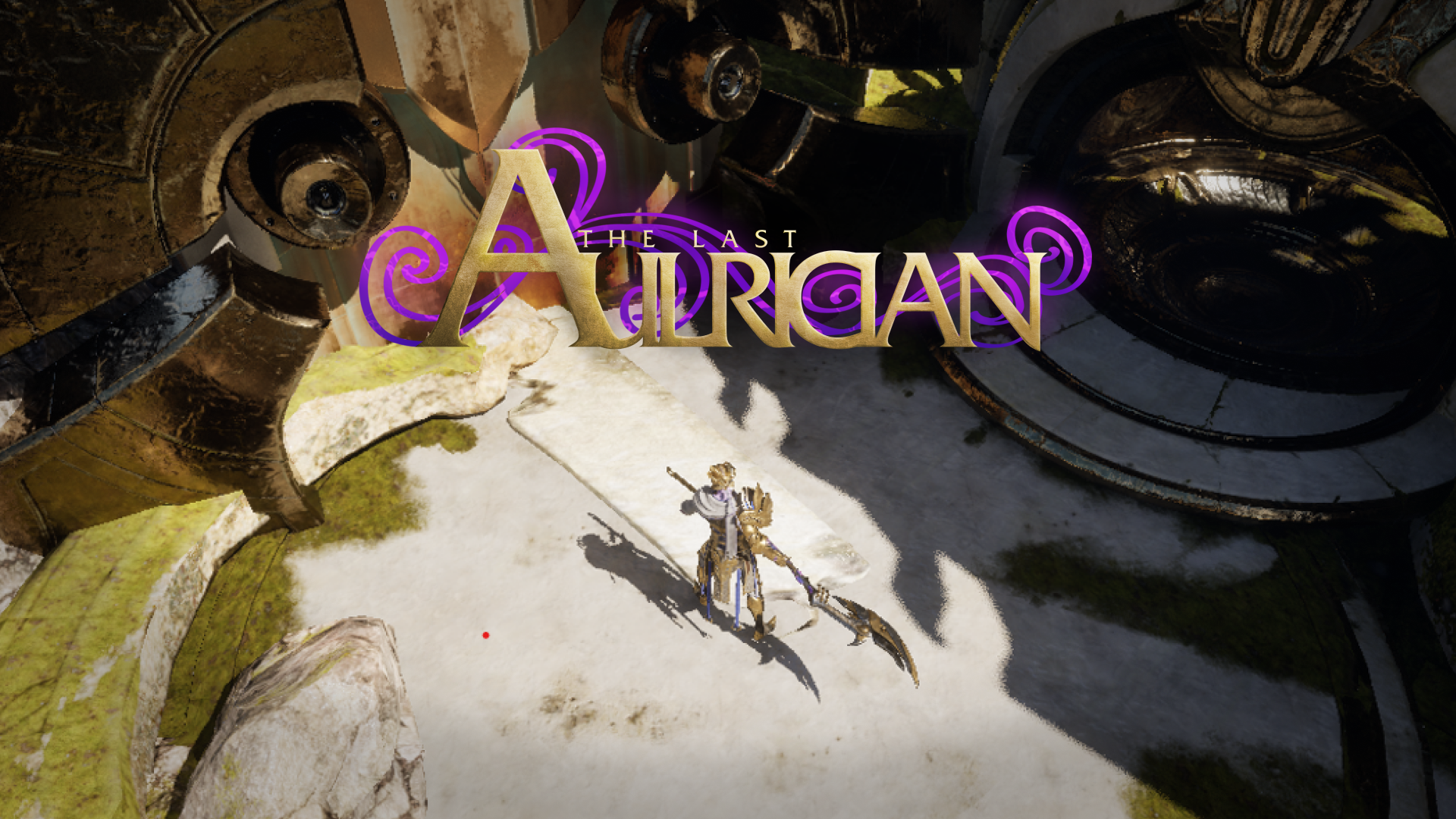
THE LAST AULRICIAN
Action RPG
Role: Gameplay Designer & Scripter
Timeline: 11/2025 - 04/2026 (6 months)
Game Engine: Unreal Engine
Team Size: 3 People
PROJECT DESCRIPTION
The Last Aulrician is an Action RPG inspired by Diablo-style gameplay. The project focused on building a custom gameplay foundation in Unreal Engine, avoiding reliance on the default character framework. A major goal was to deepen my understanding of Unreal’s Blueprint system and core gameplay architecture by implementing the project’s systems from scratch. This included designing and iterating on the underlying technical setup to support scalable RPG mechanics and flexible gameplay behavior.
KEY CONTRIBUTIONS
• Built all gameplay systems from the ground up instead of relying on Unreal's default character framework, including custom physics-based movement, collisions, obstacle avoidance, and ability-driven velocity
• Designed and built a fully data-driven champion framework from scratch, allowing any enemy to become playable without additional setup
• Developed a modular ability and cooldown system supporting projectiles, movement abilities and multi-cast skills, all configurable through assets rather than hardcoded
• Implemented a dynamic stat-scaling system with level progression and runtime modifiers for core attributes (e.g., health and damage)
This video showcases a selection of availabe perks from the final game
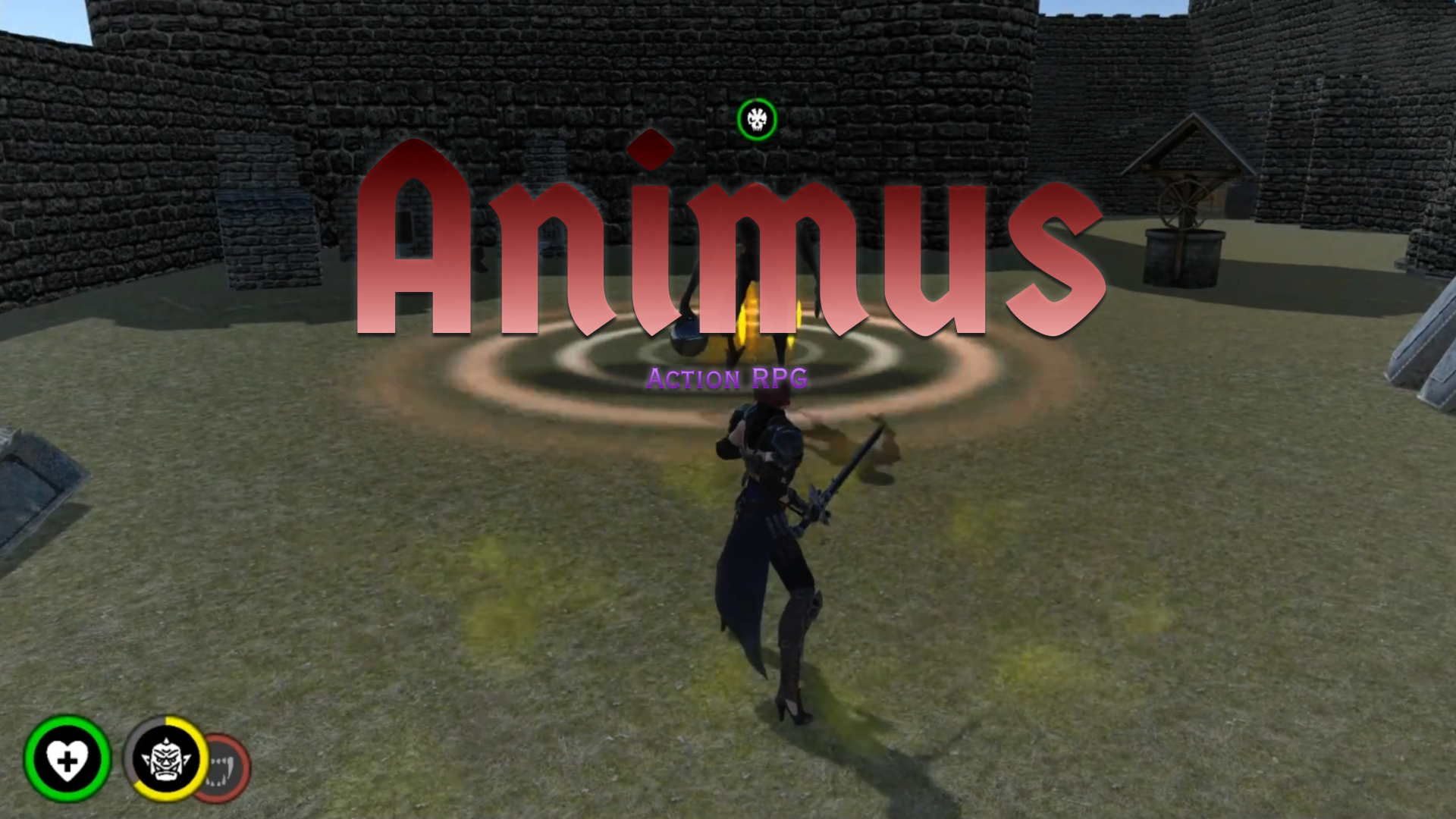
ANIMUS
Action RPG
Role: Combat & Progression Designer
Timeline: 03/2025 - 07/2025 (4 months)
Game Engine: Unity
Team Size: Solo
This project is a solo-developed action RPG prototype focused on player-driven combat variation and build flexibility. At its core, the design revolves around a three-stance system, allowing the player to dynamically switch between combat styles that modify both abilities and core stats. This creates moment-to-moment decision-making during encounters, encouraging players to adapt their approach rather than rely on a single playstyle.
To support longer-term progression and experimentation, the project features an extensive perk system with 72 selectable upgrades. These perks directly alter player abilities and attributes, enabling a wide range of builds and reinforcing the idea of customizable combat strategies.
Enemy design was structured to complement this system-driven approach. The project includes three distinct enemy types with unique behaviors and attack patterns, such as skirmishing enemies that pressure positioning and movement. In addition, a boss encounter was designed as a culmination of the core mechanics, featuring seven distinct attacks that combine teleportation, melee, and ranged elements to test the player’s adaptability across different combat scenarios.
Overall, the project explores how layered systems (stances, perks, and enemy design) can work together to create varied and responsive gameplay, with a strong emphasis on player choice and combat depth.
PROJECT DESCRIPTION
In this prototype, I explored expanding combat depth through mechanics such as combo chains and parries. These features showed potential, but were ultimately scoped out to maintain focus and ensure a more polished core experience within the project’s constraints.
In this iteration, I focused on validating the core gameplay loop by introducing stance-specific passives and ultimate abilities. To support this, I implemented a tutorial to clearly communicate these mechanics and assess how engaging and understandable the core concept was for players.
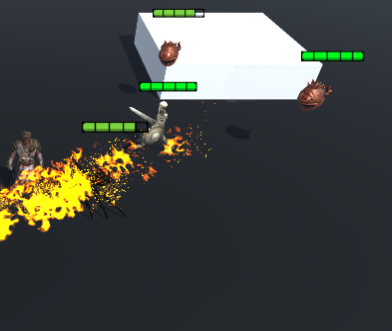
Established the first playable version of the stance-switching combat system in a 3D environment. Introduced basic enemies and abilities to validate the core loop, focusing on whether stance swapping created meaningful moment-to-moment decisions despite rough implementation.
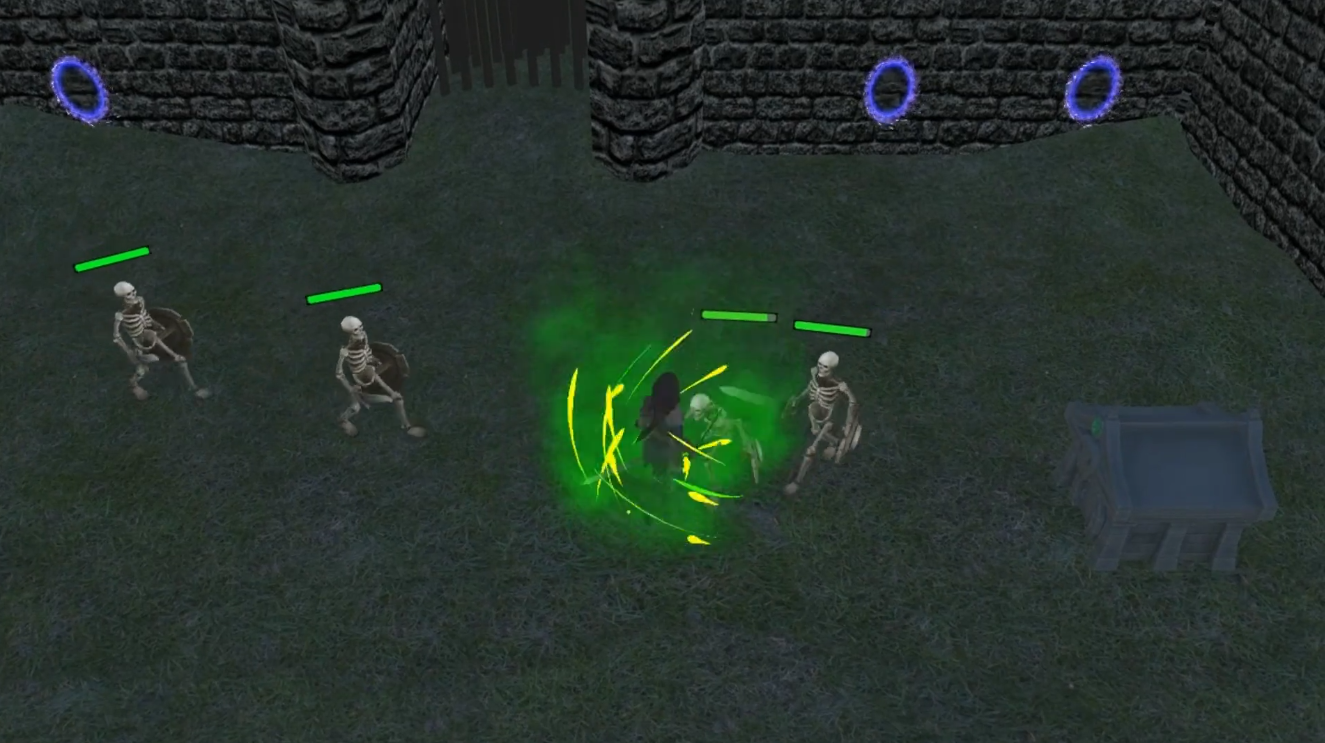
Focused on improving moment-to-moment gameplay by refining movement, responsiveness, and feedback. Introduced systems such as input queuing and animation canceling, alongside improved VFX and SFX, to create a more reactive and satisfying combat experience.
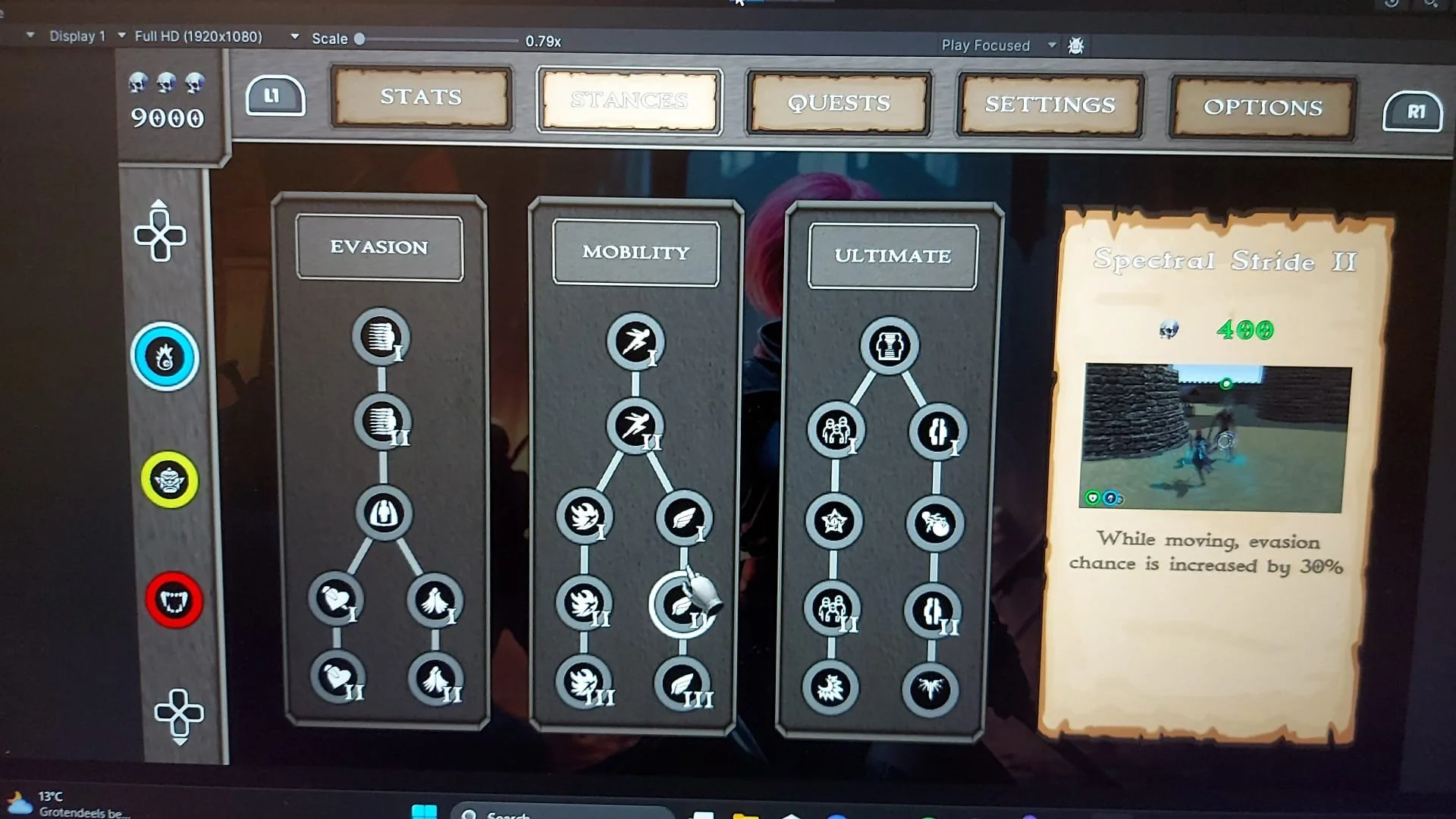
Expanded the system depth by introducing a perk framework, allowing players to modify abilities and stats across different stances. This shifted the design from a fixed combat loop to a more flexible, build-driven experience with increased replayability and player choice.
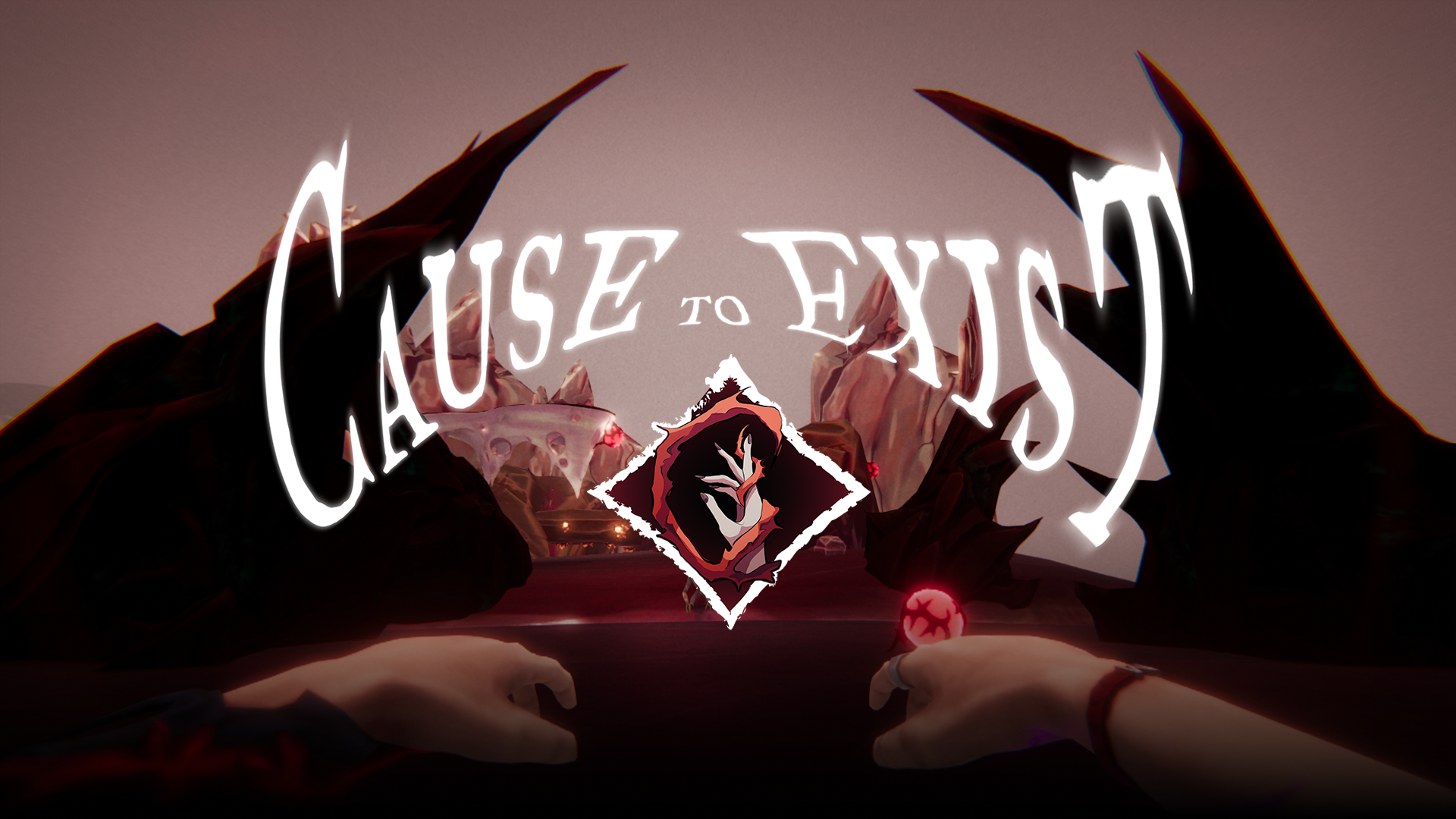
CAUSE TO EXIST
Action Platformer
Role: Combat Designer & Gameplay Programmer
Timeline: 05/2025 - 07/2026 (2 months)
Game Engine: Unity
Team Size: 10 people
PROJECT DESCRIPTION
Cause to Exist is a first-person action platformer centered around the synergy between movement and combat. The core design focuses on creating a gameplay loop where mobility enhances survivability, rather than acting as a separate system. This is exemplified by the grapple attack, which allows the player to latch onto enemies, eliminate them, and gain both healing and a movement boost, rewarding aggressive, fluid play and enabling skilled players to maintain near-constant momentum.
To reinforce this design, ranged combat is intentionally limited, preventing reliance on traditional shooter mechanics and encouraging players to engage with the movement-driven core. The gameplay is built around a set of advanced traversal mechanics, including sliding, wallrunning, and grappling, all designed to interlock with combat and support a fast-paced, continuous flow.
Through this project, I focused heavily on refining game feel, recognizing how even simple actions like movement and jumping can become satisfying through careful tuning. I implemented elements such as camera animations and FOV adjustments to enhance responsiveness and feedback. The project also reinforced the value of a focused design scope, showing that a clear, well-defined core loop can be more effective than overly complex systems. Additionally, I took a leading role within the team, collaborating closely with artists, sound designers, and level designers to ensure all elements consistently supported and strengthened the core gameplay experience.
In this playtest, we greyboxed an entire level with no objectives, focusing only on movement mechanics. Despite the lack of content, players engaged for extended periods (some over 40 minutes). This confirmed that the movement mechanics were engaging and had strong potential when expanded with combat, narrative, and art.
We then removed mechanics that didn’t align with the intended design and rebuilt a greyboxed linear level. Movement systems were streamlined for precision and tighter control, shifting away from open-ended traversal. This change was driven by concerns around long-term engagement and scope, leading us to focus on applying the core movement mechanics within a more structured, linear experience.